Posts

Showing posts with the label inclusion

Women and diversity and inclusion

Image
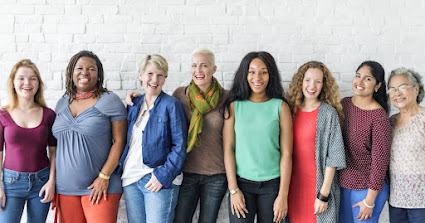
 Three interconnected ideas—women, diversity, and inclusion—are essential to building a community that is more just and equitable. Growingly more people now understand how important it is to encourage variety and inclusion in all spheres of society, including the workplace, the classroom, and the government. The discrimination that women have experienced historically and currently in these fields must also be addressed in order to advance better equality for all women. Diversity is the wide range of diverse origins, experiences, and viewpoints that individuals bring to any given circumstance. In the context of women, when we discuss diversity, we are referring to the reality that women come from a wide range of racial, ethnic, cultural, and socioeconomic origins. This diversity should be acknowledged and valued since it can foster better creativity, innovation, and problem-solving. The act of fostering a friendly and encouraging atmosphere where everyone feels valued and included, ...
Women and philanthropy

Image
 Despite having a centuries-long experience with philanthropy, women's contributions and involvement have frequently been overlooked or overshadowed by male philanthropists. But in recent years, women have made important advancements in charity, becoming important figures and leaders in the sector. The rise of women's financial power is one factor contributing to the greater prominence of women in philanthropy. Women have more control over their financial resources as a result of their increased participation in the workforce and in leadership roles, which has allowed them to contribute more to charitable organizations. Along with their financial means, women bring to charity particular viewpoints and interests. Research have indicated that women are more inclined to support groups that advance gender equity and women's empowerment because they tend to focus on issues relating to health, education, and social welfare. Women frequently try to incorporate and involve others i...

Women and disability rights

Image
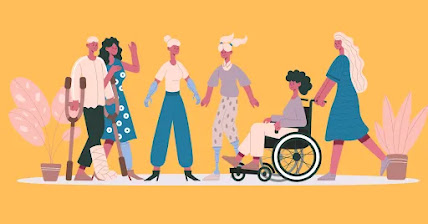
       Because they are marginalized on the basis of both their gender and their condition, women with disabilities confront considerable obstacles in society. Throughout both the feminist and the disability rights movements, women with disabilities have battled for recognition and equal rights.      In the areas of employment, education, and healthcare, discrimination against women with disabilities is more likely to occur. Moreover, they are more likely to encounter both physical and sexual abuse. Accessibility and inclusion issues specific to women with disabilities include inaccessible public transportation, structures, and technology.      In promoting the rights of people with impairments, especially women with disabilities, the disability rights movement has made great progress. For instance, the Americans with Disabilities Act (ADA) of 1990 forbids discrimination against people with disabilities in the workplace, in the classroom...

Women and technology

Image
       Through history, there has been a complicated relationship between women and technology. Despite tremendous advancements, gender bias and discrimination still exist, and women still have a low representation in the technological sector. Women are fighting to promote diversity and inclusion in the industry while simultaneously making substantial contributions to the field of technology.      The gender gap in education and employment is one of the biggest obstacles women in technology confront. STEM (science, technology, engineering, and mathematics) degrees, which are essential for professions in technology, are less likely to be pursued by women. In addition, women encounter a variety of gender biases and preconceptions and are less likely to be employed and promoted in technology businesses.      Not with standing these obstacles, women are significantly advancing the technological field. In addition to being instrumental in the...