Posts

Showing posts with the label Women

Women and technology entrepreneurship

Image
 There has been an increasing movement in recent years to change the underrepresentation of women in the area of technology entrepreneurship. More and more women are founding their own digital businesses and assuming leadership positions within the sector. Despite this development, women still encounter substantial obstacles in the field of technology entrepreneurship. The greatest difficulty is getting funding. It can be challenging to launch a tech startup because female-led companies receive much less venture capital financing than male-led ones. Additionally, when applying for financing, women frequently encounter bias and discrimination, which can further restrict their access to resources. ye.commastmastmastmastmastmastmastmas, and. Finding mentors and advisors who can guide them through the difficulties of founding and operating a software company is a challenge for many female entrepreneurs. Because of this, it may be more difficult for women to establish the networks and c...
Women and the care economy

Image
 The term "care economy" describes the labor required to take care of children, elderly or ill family members, as well as domestic chores. This kind of work is frequently underpaid or unappreciated and affects women more than males. In addition to being more likely to work in paid care occupations like nursing and childcare, women are also more likely to be in charge of providing care in their families, communities, and workplaces. The care economy is crucial for maintaining families and communities, but it can negatively affect women's financial stability and well-being if it is undervalued and unsupported. Women who are in charge of providing care may not be able to work outside the home or may need to cut back on their hours, which might restrict their possibilities for economic mobility and career advancement. The gender pay gap and ongoing economic inequality may result from this. It is crucial to respect and support the care economy in order to address these issues....

Women and the gig economy

Image
 The word "gig economy" refers to a labor market where most jobs are temporary or freelance, and more and more women are working in this expanding industry. Because of the flexibility it provides, women are drawn to the gig economy. This can be particularly attractive for women who may be juggling family obligations, caregiving responsibilities, or other commitments. The freedom to establish their own hours and work from home is one of the main benefits of the gig economy for women. This gives women more freedom and control over their job as well as makes it easier for them to balance their personal and professional lives. Through the gig economy, women can also pursue a broader variety of employment opportunities and acquire experience in various fields and positions. Women in the gig economy, however, confront particular difficulties. Workers might have to deal with a more unstable and uncertain work situation where there is no assurance of consistent pay or benefits. Along...

Women and social entrepreneurship

Image
 Women are increasingly taking the lead in social entrepreneurship, which is the practice of applying business principles to have a positive social or environmental effect. From poverty and inequality to climate change and educational access, women social entrepreneurs are tackling some of the most pressing social and environmental problems facing our world today. ye.commastmastmastmastmastmastmastmastmastmas, and. Women social entrepreneurs frequently concentrate on starting companies that benefit their communities, whether through initiatives for social justice, environmental sustainability, or employment creation. For women who may feel excluded or marginalized from traditional work environments, this can be especially empowering. Also, women social entrepreneurs bring a distinctive viewpoint and method to their job. They frequently place greater emphasis on fostering community, social impact, and collaboration than on maximizing profits, which can result in more creative and lo...

Women and entrepreneurship in the creative sector

Image
 The economy's creative sector, which includes industries like design, media, fashion, and the arts, is an area that is expanding quickly. Women have long made significant contributions to the creative industry, and entrepreneurship is quickly gaining popularity as a way for women to simultaneously follow their creative passions and grow profitable companies. The flexibility it offers is one of the main benefits of entrepreneurship in the creative industry. Women who decide to launch their own businesses frequently have more flexibility in their work and personal lives, including the ability to establish their own hours and work from home. For women who may be balancing the demands of family and career, this is especially important. Women business owners in the creative industry also contribute a distinctive viewpoint and method to their job. Women frequently approach business with a more inclusive and collaborative mindset, which can produce more creative and diverse results. Deve...

Women and diplomacy

Image
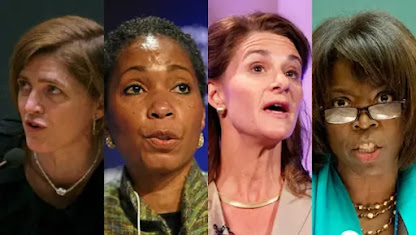
 The art of negotiating and managing relationships between countries is called diplomacy, and historically men have dominated this profession. However, in recent years, women have made significant advancements in diplomacy, and their work has helped to end wars, advance global peace and security, and protect human rights. The ability of women to bring a unique viewpoint to the negotiating table is one of the most important contributions they make to diplomacy. In diplomatic negotiations, women frequently offer a distinctive perspective and experience that can contribute to more inclusive and successful outcomes. They can assist in elevating the opinions of marginalized groups like women and children because they are frequently more sensitive to their needs and concerns. Also, women in diplomacy have played a significant role in advancing world peace and security. Women have participated in peace talks in a variety of conflict areas, including Colombia, Liberia, and Northern Ireland...

Women and globalization

Image
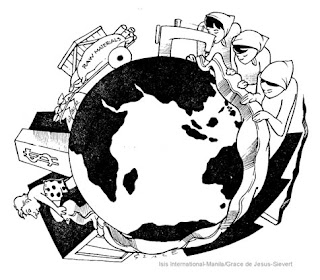
 Both positive and negative effects of globalization have had a significant impact on the lives of women all over the globe. One the one hand, globalization has created new chances for women to engage in the global economy, gain access to cutting-edge tools and knowledge, and make connections with other women all over the world. The exploitation of women's labor, the dismantling of conventional gender roles and norms, and the escalation of gender inequality are all consequences of globalization, on the other hand. The growth of economic prospects has been one of globalization's benefits for women. Women have gained new and significant opportunities to engage in the global economy as trade and investment flows have grown. This has made it possible for many women to reject traditional gender roles and support their families through business ventures and other forms of employment. Globalization has also made women more vulnerable to new kinds of abuse and exploitation. In global s...

Women and innovation

Image
 In recent years, innovation has grown in importance as a factor in both economic development and societal advancement, and women are increasingly contributing to this trend. Women are making a significant contribution to innovation across a variety of disciplines, including business, the arts, science, and technology. The importance of women in innovation and the difficulties they encounter will be discussed in this article. Women have historically been underrepresented in business and innovation. For a long time, women had trouble breaking into these areas because of cultural stereotypes, restrictions on their access to education and training, and a lack of funding and resources. Women have made considerable progress in innovation and entrepreneurship, though, in recent years. Notwithstanding these advancements, women continue to encounter major obstacles to fully engaging in innovation. The absence of leadership and representation is one of the main obstacles. In numerous indust...

Women and public service

Image
 Although women have come a long way in the public sector, there is still a long way to go before gender balance is achieved. Political appointees, civil servants, and elected officials all play a variety of responsibilities in the public sector. The percentage of women in these positions varies greatly from country to country; some have made substantial strides toward gender equality, while others still have a long way to go. Gender bias is one of the biggest obstacles for women to entering public service. It can be challenging for women to be taken seriously in positions of authority in politics and administration since they are frequently seen as being less qualified or capable than men. In patriarchal societies, where women may encounter major cultural and societal obstacles to entering public service, this bias might be especially prominent. Lack of female role models and mentors is another barrier to women entering public service. It may be difficult for women who are interes...

Women and international trade

Image
 Women have assumed a more prominent role in international commerce as it has grown in importance as a component of the global economy. Women still encounter significant obstacles to fully participating in global trade, especially in developing nations. We will look at the challenges women encounter in international trade as well as their part in it in this article. Both as consumers and producers, women are essential to global commerce. Women generate demand as consumers for a variety of products and services, from apparel and cosmetics to technology and travel. Women participate as producers in all facets of the worldwide supply chain, from manufacturing and farming to design and marketing. Women confront enormous obstacles to fully engaging in global trade, despite its importance. Lack of financial access is one of the main obstacles. Since banks and other lenders may consider women-owned firms to be riskier investments than those owned by males, women-owned businesses frequentl...

Women and diversity and inclusion

Image
 Three interconnected ideas—women, diversity, and inclusion—are essential to building a community that is more just and equitable. Growingly more people now understand how important it is to encourage variety and inclusion in all spheres of society, including the workplace, the classroom, and the government. The discrimination that women have experienced historically and currently in these fields must also be addressed in order to advance better equality for all women. Diversity is the wide range of diverse origins, experiences, and viewpoints that individuals bring to any given circumstance. In the context of women, when we discuss diversity, we are referring to the reality that women come from a wide range of racial, ethnic, cultural, and socioeconomic origins. This diversity should be acknowledged and valued since it can foster better creativity, innovation, and problem-solving. The act of fostering a friendly and encouraging atmosphere where everyone feels valued and included, ...

Women and the labor force

Image
 In recent decades, women's work force participation has advanced significantly. Women are now an essential component of the workforce and play a significant role in fostering economic growth and development after years of being marginalized from various industries and subject to pervasive gender discrimination. Notwithstanding these successes, there are still many problems, particularly for women from underprivileged communities and in emerging nations. Women still experience unequal compensation, difficulty finding suitable jobs, and little prospects for career growth and leadership positions. Women are disproportionately employed in low-paying, low-skilled jobs in many nations, including domestic service, agriculture, and manufacturing. Women are frequently exposed to exploitation and abuse in these employment because they frequently lack protections, benefits, and fair pay. Women who operate in the unregulated or unrecognized informal sector, which includes occupations, are par...

Women and global development

Image
       Although women are essential to the progress of the world, they frequently confront obstacles that prevent them from making a full contribution. Poverty, a lack of access to healthcare and education, gender-based violence, and prejudice disproportionately affect women. These problems limit their ability to contribute to the growth of their communities and nations.      In order to achieve gender equality and sustainable development, women's access to education must be improved. Women who have more education are more likely to make more money, live longer, and have better health. They are also more prepared to participate in decision-making. Women who are educated are better able to assert their rights and call for justice and equality.      Women also require access to healthcare services in addition to education. Increased rates of maternal mortality, malnutrition, and other avoidable health problems might result from a lack of a...

Women and poverty

Image
     Since that women are disproportionately affected by poverty worldwide, women and poverty are intimately related. The United Nations estimates that 330 million women live on less than $1.90 a day, making them more likely than men to be poor.      Women are more prone to face poverty for a variety of reasons. First off, compared to men, women typically have lower levels of education and less economic possibilities, which can have an impact on their ability to earn money and help them overcome poverty. This is especially true in underdeveloped nations where women frequently experience discriminatory societal norms and don't have access to resources like loans, land, and technology.      Women are also more likely to work in low-paying, ad hoc jobs like domestic labor, farming, and clothing manufacture, which frequently lack job stability, benefits, and protections like minimum wage regulations. Women may find it more difficult to provi...

Women and mental health

Image
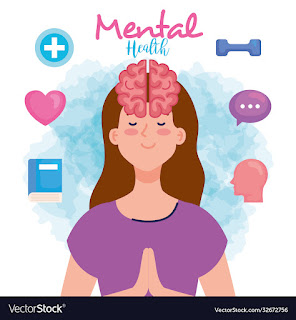
       Women and mental health are intricately linked, and addressing the special needs of women in this area is crucial to building a society that is more just and equal. Women are more prone than men to develop mental health issues such anxiety, depression, and post-traumatic stress disorder (PTSD), which can be made worse by gender-based violence, injustice, and discrimination.      Reproductive problems like irregular periods, infertility, and menopause also have an impact on women's mental health. Significant mental health difficulties, such as postpartum depression and anxiety, can also be associated with pregnancy and childbirth. Women may also be more susceptible to harassment, sexual assault, and domestic abuse, all of which can have a negative impact on their mental health.      The discrepancies in mental health faced by women may be further exacerbated by obstacles to receiving mental health services, such as stigma, financia...

Women and religion

Image
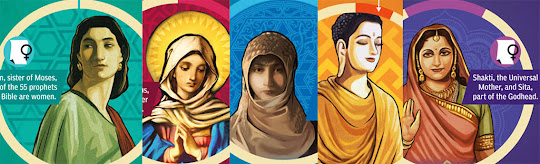
       Women have contributed significantly to the development of religious customs and practices throughout history. However, because they have experienced exclusion and prejudice due to their gender, women's experiences in religious communities have not always been favorable.      Women have historically been excluded from positions of authority and specific religious rituals because they are viewed as inferior to men in many religious traditions. For instance, women are not permitted to serve as priests or imams in some subsects of Christianity and Islam. Women cannot become rabbis or publicly read from the Torah in Orthodox Judaism. Women are frequently excluded from Hindu rituals and temples.      Notwithstanding these restrictions, women have contributed significantly to the development of religious customs and practices. For instance, in Buddhism, women have played a crucial role in safeguarding and disseminating the Buddha's teac...

Women and migration

Image
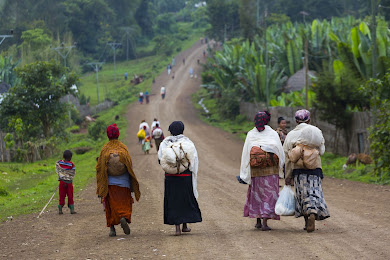
       Human history has long been characterized by migration, with people and families frequently relocating in quest of better job prospects and living conditions. Particularly women have made major contributions to global movement patterns, whether as economic migrants, refugees, or members of families reuniting with loved ones abroad.      Everybody who moves can find it difficult, but women face particular risks and challenges in the process. Given that women may be more susceptible to violence, exploitation, and prejudice during migration as a result of their gender, it is critical that migration policies and programs take into account their unique needs and experiences.      Women have contributed significantly to their new communities and the economies of their host countries despite these obstacles. Many women labor in low-paying occupations including domestic work, nursing, and hospitality that are crucial to the operation of t...

Women and aging

Image
       Regardless of gender, aging is a natural process that affects everyone. Nonetheless, women frequently confront particular aging-related issues that males do not. Due to their propensity for living longer than males, women may experience more years of aging-related health challenges, caring obligations, and financial concerns. In addition, women may go through bodily changes brought on by aging, such as menopause, which can negatively affect both their physical and emotional health.      The pressure from society to look and behave younger is one of the main issues that women encounter as they age. Women who believe they are no longer respected or attractive may have feelings of inadequacy and low self-esteem as a result of this pressure. In the workplace, women may also experience ageism and discrimination, which can make it challenging for them to find job or develop in their professions.      An increased chance of chronic medic...

Women in the military and defense

Image
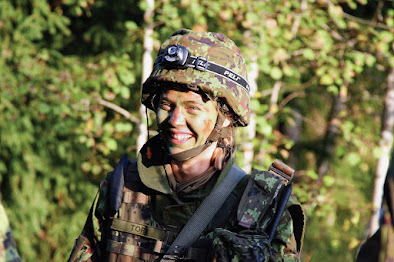
       Since the beginning of time, when women participated in war alongside men, women have had a long and rich history of serving in the military and the defense sector. Women still play a significant part in military and defense today, and their contributions are being recognized and valued more and more.      Women have been active members of the armed forces for decades in numerous nations, serving in a variety of positions. Women can serve in combat capacities in some nations but only in support roles in others. The fact that women can serve in any capacity in the military and that their contributions are essential to the success of military operations is, however, becoming more widely acknowledged.      Women have been fighting in the military in the United States since the Revolutionary War, but they weren't formally accepted into the military until the 20th century. Women participated in a wide range of jobs during World War Two...

Women and social media

Image
       Social media and women have a complicated and changing connection. On the one hand, social media gives women a forum to interact with others, share their stories, and draw attention to problems that concern them. On the other hand, harassment, misogyny, and violence against women can all occur on social media.      The ability to create communities and support networks is one of social media's benefits for women. Women can connect with individuals who have had similar experiences, such as sexual assault survivors, women working in fields where men predominate, or mothers juggling the demands of raising children. Women can share their experiences and spread awareness of issues affecting them on social media, such as gender-based violence, workplace discrimination, etc.      Social media, however, can often be a hostile space for women. Online harassment of women frequently includes hate speech, sexual harassment, and threats of vio...