Posts

Showing posts with the label poverty

Women and education in developing countries
Image
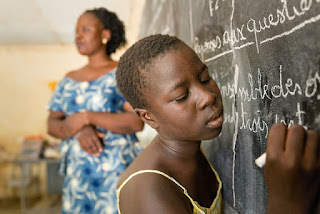
 In developing nations where girls and women may encounter substantial barriers to education, access to education is crucial for empowering women and advancing gender equality. The cycle of poverty can be broken, health results can be improved, and education can enable women to take more active roles in their societies and economies. However, obtaining an education continues to be extremely difficult for females and women in developing nations. Due to poverty, early marriage, or societal norms that place more value on boys' education than girls', many girls are compelled to leave school. In schools, discrimination and harassment against girls are possible and can foster a hostile learning atmosphere. Investment in education and the promotion of laws that assist women's and girls' education in developing nations are crucial for addressing these issues. This entails expanding access to high-quality education and offering assistance to females who want to continue their ed...
Women and social entrepreneurship

Image
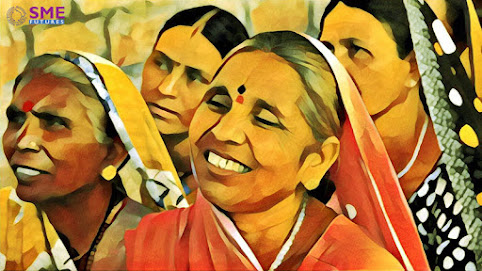
 Women are increasingly taking the lead in social entrepreneurship, which is the practice of applying business principles to have a positive social or environmental effect. From poverty and inequality to climate change and educational access, women social entrepreneurs are tackling some of the most pressing social and environmental problems facing our world today. ye.commastmastmastmastmastmastmastmastmastmas, and. Women social entrepreneurs frequently concentrate on starting companies that benefit their communities, whether through initiatives for social justice, environmental sustainability, or employment creation. For women who may feel excluded or marginalized from traditional work environments, this can be especially empowering. Also, women social entrepreneurs bring a distinctive viewpoint and method to their job. They frequently place greater emphasis on fostering community, social impact, and collaboration than on maximizing profits, which can result in more creative and lo...

Women and poverty

Image
     Since that women are disproportionately affected by poverty worldwide, women and poverty are intimately related. The United Nations estimates that 330 million women live on less than $1.90 a day, making them more likely than men to be poor.      Women are more prone to face poverty for a variety of reasons. First off, compared to men, women typically have lower levels of education and less economic possibilities, which can have an impact on their ability to earn money and help them overcome poverty. This is especially true in underdeveloped nations where women frequently experience discriminatory societal norms and don't have access to resources like loans, land, and technology.      Women are also more likely to work in low-paying, ad hoc jobs like domestic labor, farming, and clothing manufacture, which frequently lack job stability, benefits, and protections like minimum wage regulations. Women may find it more difficult to provi...

Women's education and literacy

Image
  Women's education and literacy are important contributors to the cause of gender equality and women's empowerment. Education is a fundamental human right that all people should have access to in order to pursue their goals, aspirations, and improve their quality of life. Yet, major obstacles, such as poverty, cultural norms, gender stereotypes, and discriminatory laws and regulations, continue to exist for women all over the world in their pursuit of an education. In many regions of the world, especially in low-income nations, the low literacy rates of women present a serious problem. Around 132 million girls globally lack access to education, and more than 600 million women are illiterate, according to UNESCO. Women with lower levels of education are more likely to live in poverty, have poorer health, and have fewer prospects for economic and social mobility. The promotion of women's health and wellness also depends heavily on education. Women who have greater education ...