Posts

Showing posts with the label gender equality

Women and education in developing countries
Image
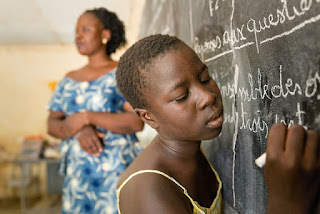
 In developing nations where girls and women may encounter substantial barriers to education, access to education is crucial for empowering women and advancing gender equality. The cycle of poverty can be broken, health results can be improved, and education can enable women to take more active roles in their societies and economies. However, obtaining an education continues to be extremely difficult for females and women in developing nations. Due to poverty, early marriage, or societal norms that place more value on boys' education than girls', many girls are compelled to leave school. In schools, discrimination and harassment against girls are possible and can foster a hostile learning atmosphere. Investment in education and the promotion of laws that assist women's and girls' education in developing nations are crucial for addressing these issues. This entails expanding access to high-quality education and offering assistance to females who want to continue their ed...

Women and diplomacy

Image
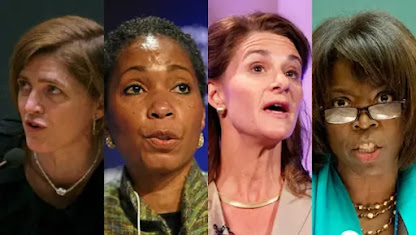
 The art of negotiating and managing relationships between countries is called diplomacy, and historically men have dominated this profession. However, in recent years, women have made significant advancements in diplomacy, and their work has helped to end wars, advance global peace and security, and protect human rights. The ability of women to bring a unique viewpoint to the negotiating table is one of the most important contributions they make to diplomacy. In diplomatic negotiations, women frequently offer a distinctive perspective and experience that can contribute to more inclusive and successful outcomes. They can assist in elevating the opinions of marginalized groups like women and children because they are frequently more sensitive to their needs and concerns. Also, women in diplomacy have played a significant role in advancing world peace and security. Women have participated in peace talks in a variety of conflict areas, including Colombia, Liberia, and Northern Ireland...

Women and global development

Image
       Although women are essential to the progress of the world, they frequently confront obstacles that prevent them from making a full contribution. Poverty, a lack of access to healthcare and education, gender-based violence, and prejudice disproportionately affect women. These problems limit their ability to contribute to the growth of their communities and nations.      In order to achieve gender equality and sustainable development, women's access to education must be improved. Women who have more education are more likely to make more money, live longer, and have better health. They are also more prepared to participate in decision-making. Women who are educated are better able to assert their rights and call for justice and equality.      Women also require access to healthcare services in addition to education. Increased rates of maternal mortality, malnutrition, and other avoidable health problems might result from a lack of a...

Women and the law

Image
       Throughout history, there have been a number of complex interactions between women and the law. Laws have frequently been used to oppress women, deprive them of fundamental rights, and strengthen patriarchal power systems. But women have also been vital in establishing the law and defending their legal rights.      Women have historically been marginalized in several legal fields. Several societies restricted women's rights, preventing them from owning property or signing contracts and tying them to those of their husbands or fathers. Women were frequently denied the opportunity to vote and to participate in political life, which prevented them from having an opinion on how laws should be made and carried out.      Notwithstanding these obstacles, women have contributed significantly to the development of the law and the promotion of their rights. Gender equality has been promoted through women's rights movements like the suffrage...

Women's participation in civil society and activism

Image
     Social justice and human rights have advanced significantly as a result of women's engagement and participation in civil society. From the suffrage campaign to the civil rights movement, women have historically been at the forefront of many social movements, battling for both their own and other people's rights. Women continue to be essential members of civil society today, fighting for a variety of causes such as environmental conservation, reproductive rights, and gender equality.      Women's activity and participation in civil society are especially crucial in nations where women's rights are not respected or acknowledged. Women are frequently suppressed and given few opportunity to engage in public life in many areas. But in order to confront discriminatory laws and practices, women have discovered methods to unite and mobilize. Women's organizations and groups have been instrumental in furthering gender equality and women's rights. These organiza...

Women in media and journalism

Image
       The long-standing problem of women's underrepresentation in media and journalism has received more attention in recent years. Women have historically been underrepresented and frequently portrayed incorrectly in the media. While there has been considerable improvement in recent years, gender equality in the media is still far from being achieved.      Breaking through the "glass ceiling" is one of the biggest obstacles women confront in the media. Women are frequently underrepresented in executive roles like chief editors or news directors. This lack of variety in news coverage and opinions might be caused by the absence of representation in positions of decision-making. The fact that women are frequently paid less than males for doing the same job can further impede their capacity to develop in the field.      The prevalence of gender preconceptions and prejudices in news reporting is another issue that women in the media encount...

Women's participation in the economy

Image
       To achieve sustainable economic growth and development, women must participate in the economy. Yet, despite tremendous improvements in recent years, women still face significant barriers to economic involvement and are generally consigned to lower-paying employment and less respected responsibilities.      The gender pay gap is one of the biggest obstacles to women's economic engagement. In most nations, women earn less than males, and the disparity is considerably worse for women of color and women with disabilities. Women's financial stability may suffer from this pay disparity in the long run, including diminished retirement savings and restricted credit options. The absence of possibilities for education and training is a major impediment to women's economic engagement. Women are less likely to have access to high-quality education and training options, which may hinder their potential to land better-paying positions with more respectable co...

Women's entrepreneurship and innovation

Image
       As more and more women around the world have broken down barriers and made substantial contributions to the global economy, women's entrepreneurship and innovation have grown in importance.      The gender gap in finance and resources is one of the biggest obstacles women entrepreneurs confront. Notwithstanding this obstacle, female company owners have demonstrated incredible fortitude and innovation, building prosperous companies in a variety of industries.      Sara Blakely, the founder of the company that makes shapewear and undergarments called Spanx, is one example of a woman who has significantly contributed to entrepreneurship and invention. Blakely established the business with just $5,000 and has now expanded it to be worth $1 billion, making her one of the most successful female business owners in the world. The Chief Operating Officer of Facebook, Sheryl Sandberg, is another illustration of a successful female innovator...

Women's education and literacy

Image
  Women's education and literacy are important contributors to the cause of gender equality and women's empowerment. Education is a fundamental human right that all people should have access to in order to pursue their goals, aspirations, and improve their quality of life. Yet, major obstacles, such as poverty, cultural norms, gender stereotypes, and discriminatory laws and regulations, continue to exist for women all over the world in their pursuit of an education. In many regions of the world, especially in low-income nations, the low literacy rates of women present a serious problem. Around 132 million girls globally lack access to education, and more than 600 million women are illiterate, according to UNESCO. Women with lower levels of education are more likely to live in poverty, have poorer health, and have fewer prospects for economic and social mobility. The promotion of women's health and wellness also depends heavily on education. Women who have greater education ...

Women's leadership in politics and business

Image
       Promoting gender equality and empowering women depends heavily on the participation of women in leadership positions in business and politics. Despite recent improvements, women are still underrepresented in positions of leadership worldwide. Only 7.4% of presidents of state or government and 24.9% of members of national parliament are women. Women hold a very small proportion of executive and board roles in the commercial sector.      Decision-making processes benefit from the different viewpoints and experiences that women in senior positions in politics and industry contribute. It can also aid in dispelling gender stereotypes and encouraging more supportive views of women in executive positions.      It is critical to remove the obstacles that prohibit women from vying for office and winning elections in order to support women's leadership in politics. As part of this, it's important to combat discrimination and gender-based vi...

Gender equality and empowerment of women

Image
       An fair and just society must prioritize gender equality and women's empowerment. It entails making sure that everyone, regardless of gender, has equal access to opportunities, resources, and authority over decisions. Giving women the tools and resources they need to fully engage in economic, social, and political life is empowering.      Gender equality has come a long way in recent decades, but in many parts of the world it is still a distant dream. Women continue to have a higher likelihood of being poor, having less access to healthcare and education, and experiencing discrimination at work. Women are less likely than men to participate in politics, and women are frequently underrepresented in positions of leadership.      The core causes of gender disparity, such as prejudice and damaging gender stereotypes, must be addressed in order to achieve gender equality and empower women. At the individual, communal, and institutional...