Posts

Showing posts with the label developing nations

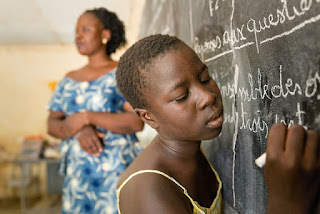
Women and education in developing countries
Image
 In developing nations where girls and women may encounter substantial barriers to education, access to education is crucial for empowering women and advancing gender equality. The cycle of poverty can be broken, health results can be improved, and education can enable women to take more active roles in their societies and economies. However, obtaining an education continues to be extremely difficult for females and women in developing nations. Due to poverty, early marriage, or societal norms that place more value on boys' education than girls', many girls are compelled to leave school. In schools, discrimination and harassment against girls are possible and can foster a hostile learning atmosphere. Investment in education and the promotion of laws that assist women's and girls' education in developing nations are crucial for addressing these issues. This entails expanding access to high-quality education and offering assistance to females who want to continue their ed...

Women and international trade

Image
 Women have assumed a more prominent role in international commerce as it has grown in importance as a component of the global economy. Women still encounter significant obstacles to fully participating in global trade, especially in developing nations. We will look at the challenges women encounter in international trade as well as their part in it in this article. Both as consumers and producers, women are essential to global commerce. Women generate demand as consumers for a variety of products and services, from apparel and cosmetics to technology and travel. Women participate as producers in all facets of the worldwide supply chain, from manufacturing and farming to design and marketing. Women confront enormous obstacles to fully engaging in global trade, despite its importance. Lack of financial access is one of the main obstacles. Since banks and other lenders may consider women-owned firms to be riskier investments than those owned by males, women-owned businesses frequentl...