Posts

Showing posts with the label exploitation

Women and globalization
Image
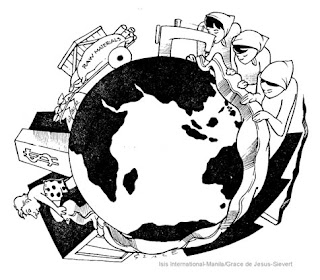
 Both positive and negative effects of globalization have had a significant impact on the lives of women all over the globe. One the one hand, globalization has created new chances for women to engage in the global economy, gain access to cutting-edge tools and knowledge, and make connections with other women all over the world. The exploitation of women's labor, the dismantling of conventional gender roles and norms, and the escalation of gender inequality are all consequences of globalization, on the other hand. The growth of economic prospects has been one of globalization's benefits for women. Women have gained new and significant opportunities to engage in the global economy as trade and investment flows have grown. This has made it possible for many women to reject traditional gender roles and support their families through business ventures and other forms of employment. Globalization has also made women more vulnerable to new kinds of abuse and exploitation. In global s...

Women and indigenous communities

Image
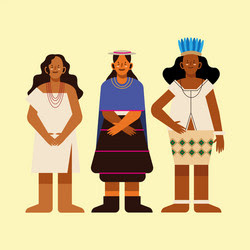
 Native American women play a special and important role in their communities by looking after their culture, language, and customs. Indigenous women frequently experience significant obstacles and marginalization despite making significant contributions, such as poverty, discrimination, and violence. The loss of traditional knowledge and practices is one major issue that indigenous women confront. Language, cultural norms, and traditional knowledge have all been lost as a consequence of colonization, residential schools, and forced assimilation. By passing them down from generation to generation, indigenous women have been instrumental in the protection and revival of these practices. The disproportionately high rates of assault and exploitation experienced by indigenous women are another problem. Compared to non-indigenous women, indigenous women are far more likely to experience domestic and sexual violence. The situation is made worse by a lack of resources and support services...

Women and the labor force

Image
 In recent decades, women's work force participation has advanced significantly. Women are now an essential component of the workforce and play a significant role in fostering economic growth and development after years of being marginalized from various industries and subject to pervasive gender discrimination. Notwithstanding these successes, there are still many problems, particularly for women from underprivileged communities and in emerging nations. Women still experience unequal compensation, difficulty finding suitable jobs, and little prospects for career growth and leadership positions. Women are disproportionately employed in low-paying, low-skilled jobs in many nations, including domestic service, agriculture, and manufacturing. Women are frequently exposed to exploitation and abuse in these employment because they frequently lack protections, benefits, and fair pay. Women who operate in the unregulated or unrecognized informal sector, which includes occupations, are par...

Women and poverty

Image
     Since that women are disproportionately affected by poverty worldwide, women and poverty are intimately related. The United Nations estimates that 330 million women live on less than $1.90 a day, making them more likely than men to be poor.      Women are more prone to face poverty for a variety of reasons. First off, compared to men, women typically have lower levels of education and less economic possibilities, which can have an impact on their ability to earn money and help them overcome poverty. This is especially true in underdeveloped nations where women frequently experience discriminatory societal norms and don't have access to resources like loans, land, and technology.      Women are also more likely to work in low-paying, ad hoc jobs like domestic labor, farming, and clothing manufacture, which frequently lack job stability, benefits, and protections like minimum wage regulations. Women may find it more difficult to provi...